How to Spot a Scam Text Before It Costs You a Dime
The Text That Almost Got Me
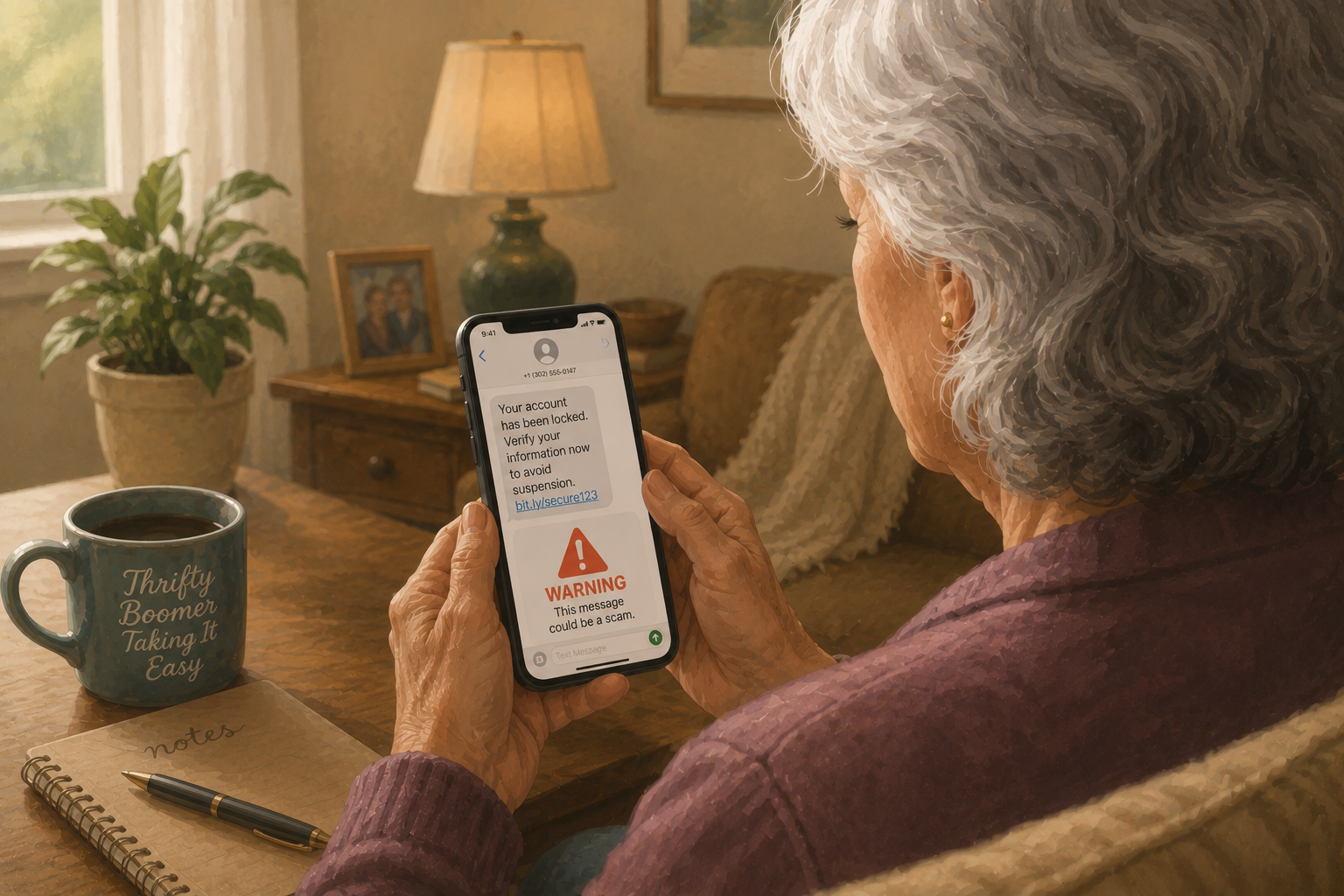
Hey y’all. I got a text last year that looked exactly like it came from my bank. Same logo style, same urgent tone: “suspicious activity on your account, click here to verify.” I almost clicked.
Not on my watch, not today, not ever, and I want to walk you through exactly how I caught it, because knowing how to spot a scam text isn’t about being tech-savvy. It’s about knowing the three or four tricks scammers use over and over.
SCAMMERS DON’T NEED YOU TO BE BAD WITH TECH, THEY JUST NEED YOU TO BE IN A HURRY.
Scam texts work because they create urgency. The second a message makes you feel like you have to act right this minute, that’s your cue to slow down, not speed up.
Disclosure: This post may contain affiliate links, which means I may receive a small commission if you make a purchase through my links — at no extra cost to you. I only recommend tools and products I personally use and trust.

The 4 Signs That Give a Scam Text Away
THESE FOUR SIGNS SHOW UP IN ALMOST EVERY SINGLE SCAM TEXT
- It creates urgency. “Your account will be locked,” “Your package couldn’t be delivered,” “Suspicious charge detected.” Real companies rarely text you with that kind of panic energy.
- It asks you to click a link to “verify” something. Real banks and government agencies almost never ask you to click a link to fix a problem. They tell you to log in directly through the app or website you already use.
- The number looks odd. Long strange numbers, or a number that doesn’t match the company’s usual contact, is a red flag.
- It asks for personal information. Account numbers, passwords, your Social Security number. No legitimate text will ever ask for that.

Tip:
Before you click anything in a text, open a new browser tab yourself and go directly to the company’s real website or app. Never click through the message to “check.”
What To Do Instead of Clicking
DELETE, DON’T ENGAGE, AND NEVER CALL THE NUMBER IN THE TEXT
If you get a suspicious text, don’t reply, even to say “stop” or “wrong number.”
Replying confirms your number is active and real to a scammer. Just delete it.
If you want to report it, you can forward it to 7726 (SPAM) or report it directly to the FTC ReportFraud site.
It takes thirty seconds and it actually helps.
My Mantra
I do not have to react fast to anything that asks me to
My Take: If I were teaching this to a friend at my kitchen table, I’d tell her this: if a text makes your stomach drop and tells you to hurry, that feeling is the scam working. Slow down. Go directly to the source yourself. Real problems with real accounts can wait the five minutes it takes you to log in the normal way.
Plugging the Real Leak Behind These Scams
THE GOAL OF EVERY SCAM TEXT IS THE SAME, GETTING TO YOUR MONEY BEFORE YOU NOTICE
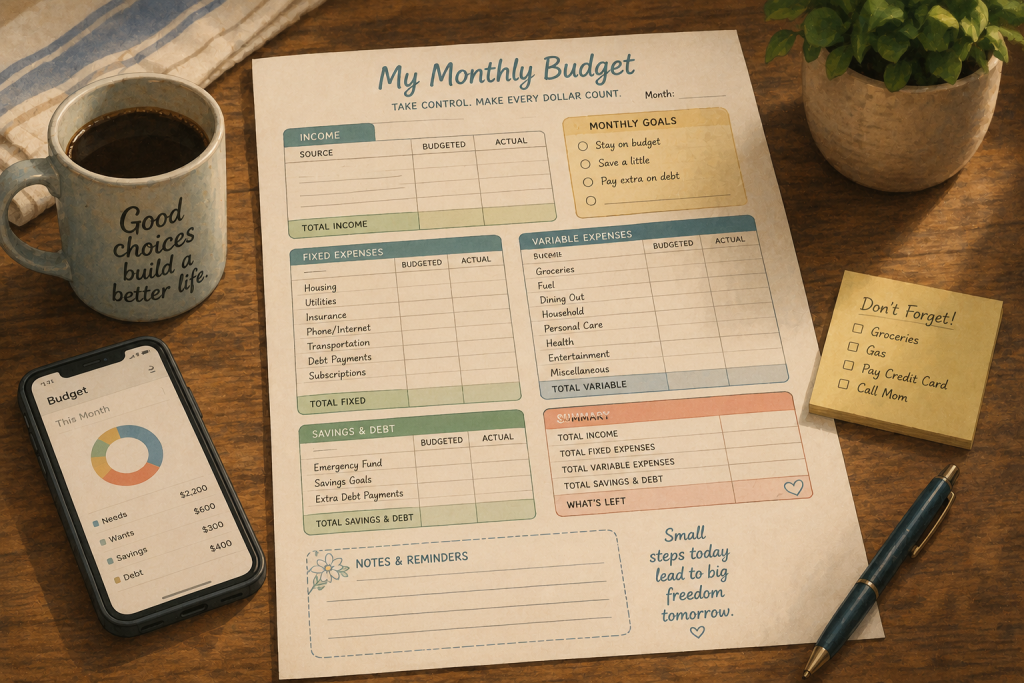
This is exactly the kind of thing the Money Leak Reset was built for. It’s a simple $9 printable guide that helps you find the small leaks in your finances, the subscriptions you forgot about, the accounts you don’t check often enough, the places scammers count on you not watching closely. Spotting a scam text is step one. Tightening up the rest of your financial awareness is step two.
You don’t have to become a tech expert to protect yourself. You just have to learn the handful of patterns scammers repeat, and you already have today.
Sign-up for the Boomer Buzz Newsletter for weekly savings tips for everyday spending, meal plnning, easy side hustles and more.
You don’t have to be afraid of your phone. You just have to know the tricks, and now you do.
Talk Soon,

P.S. Watch those dollars, y’all.
Come Join The Thrifty Boomers Facebook Group